Pieces of Paper Group Exhibition
Pieces of Paper Group Exhibition
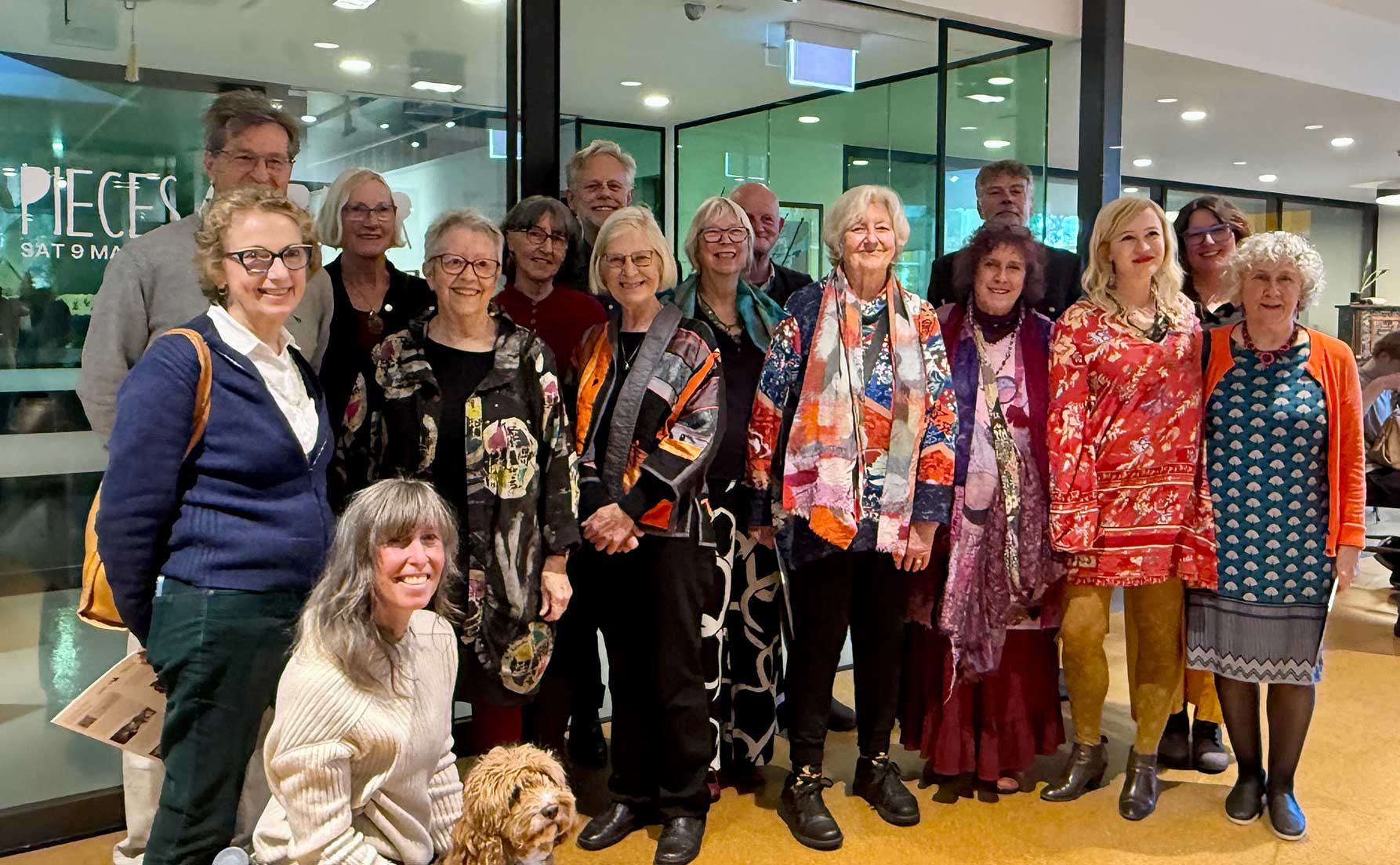
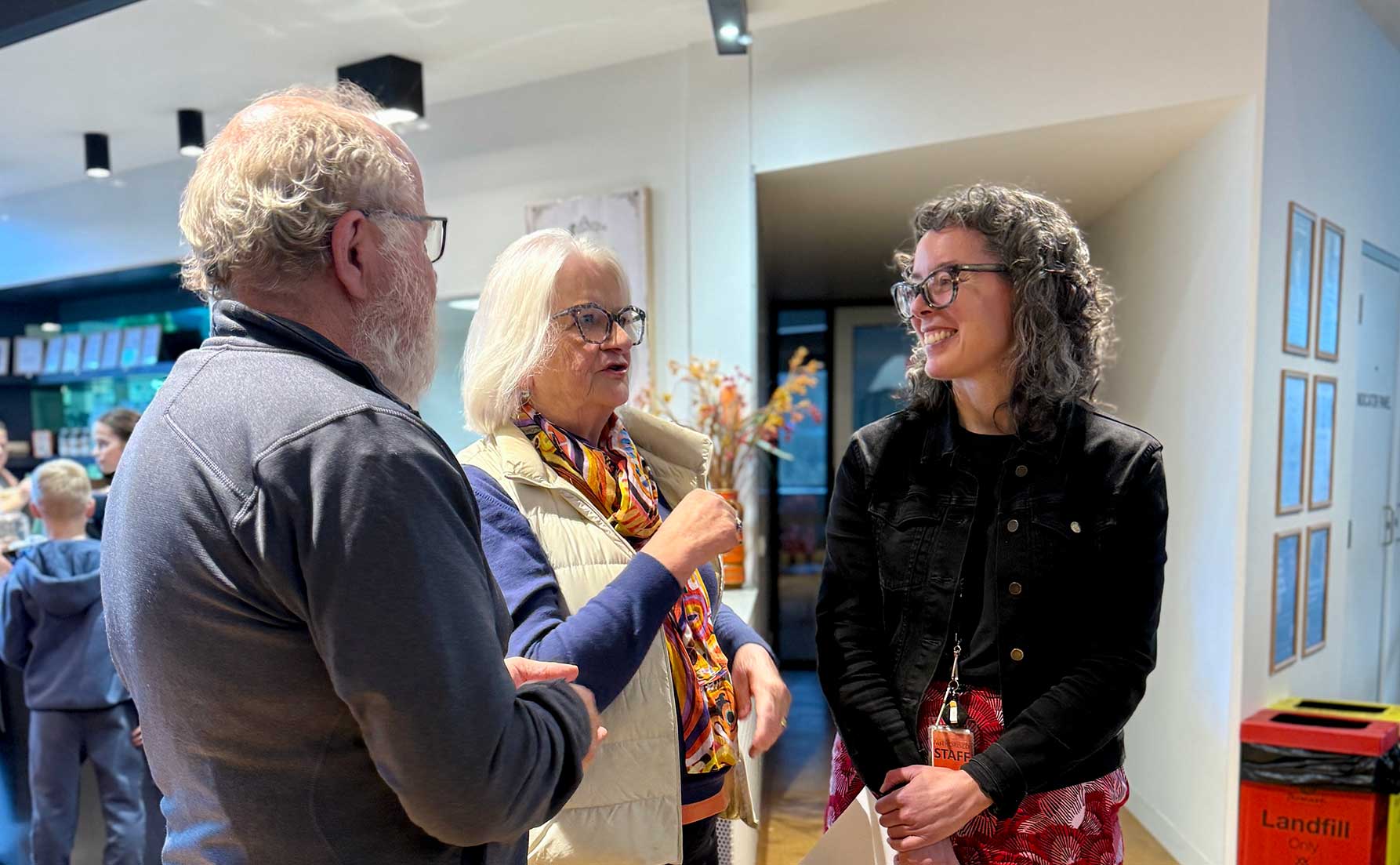
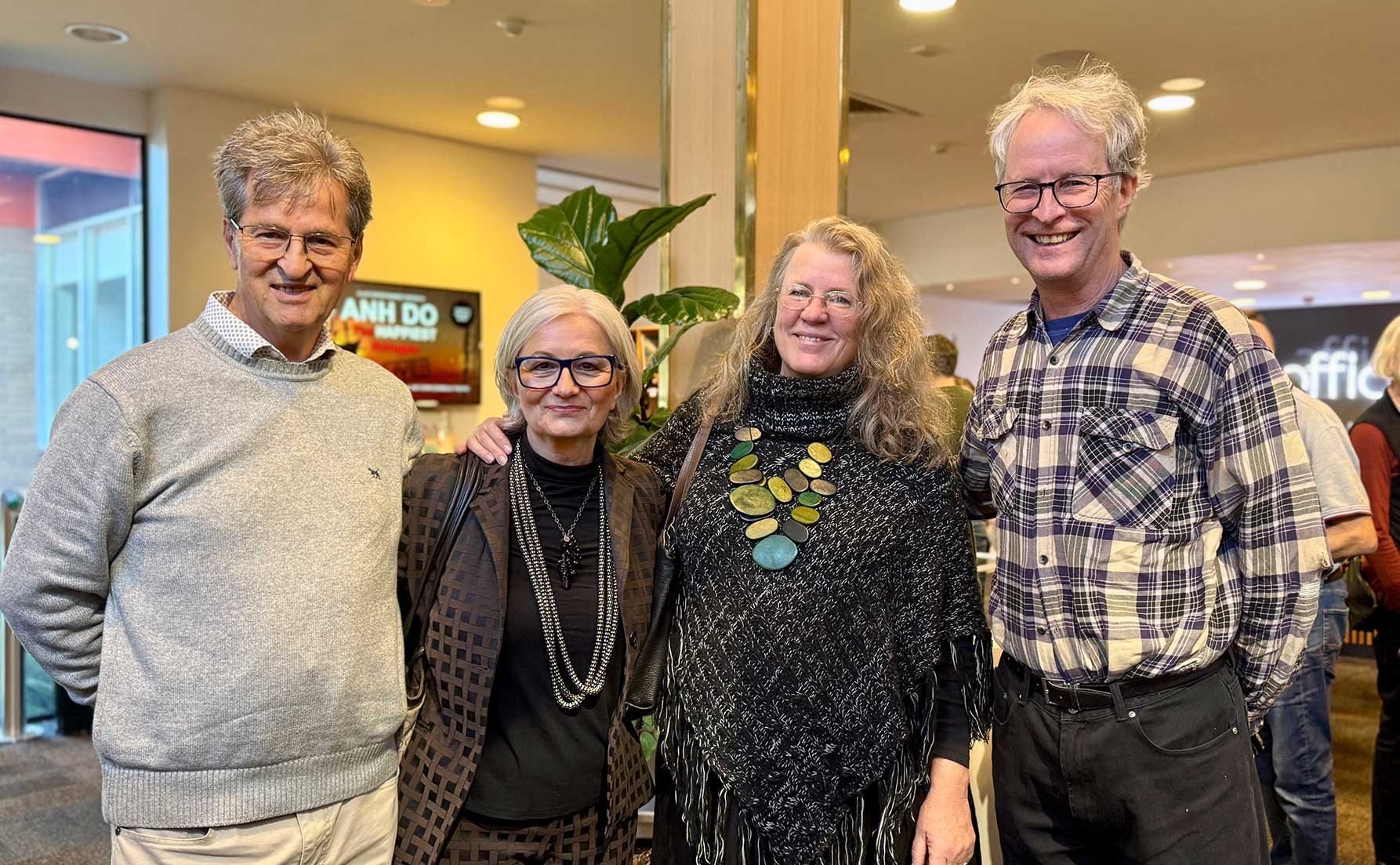
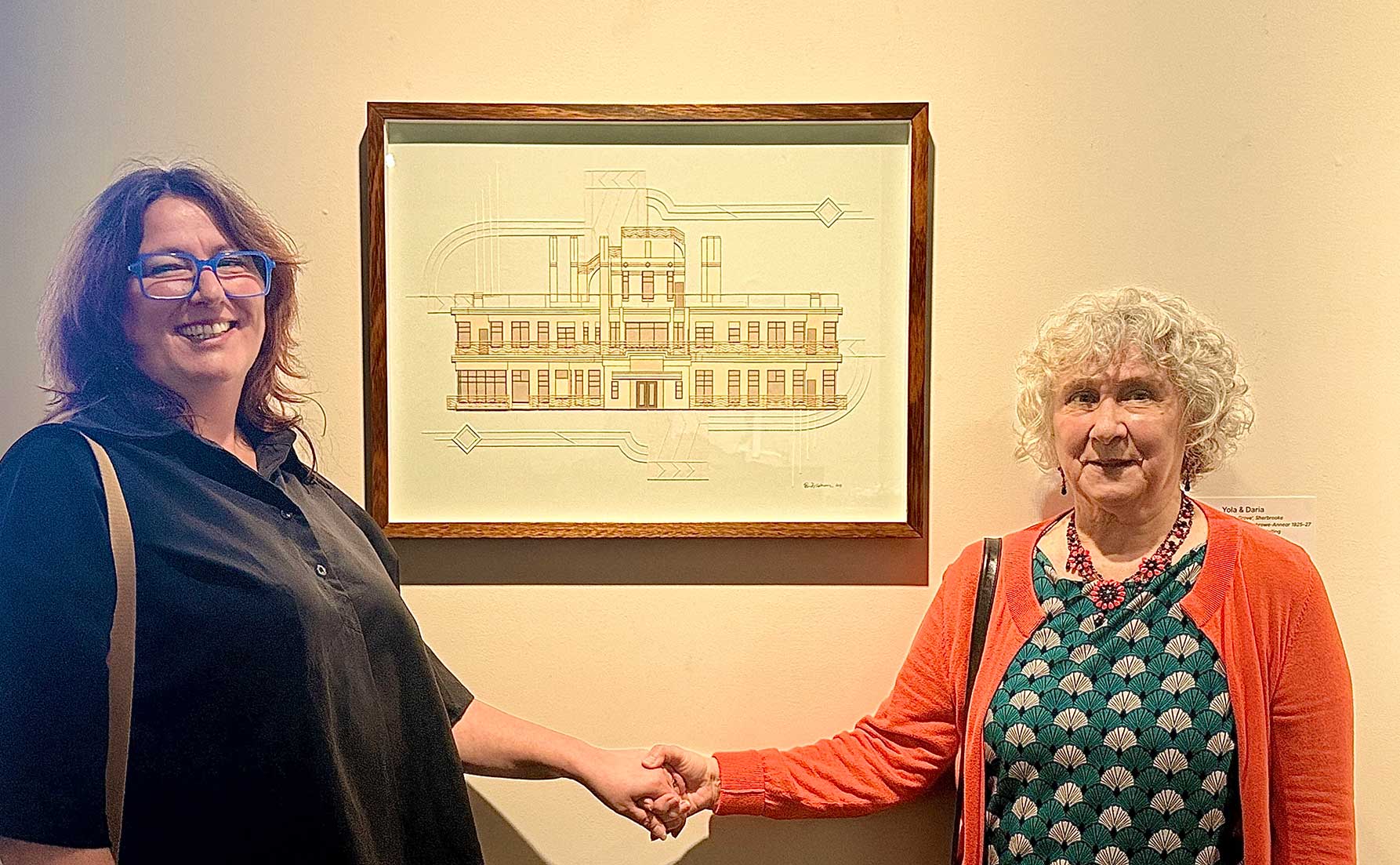
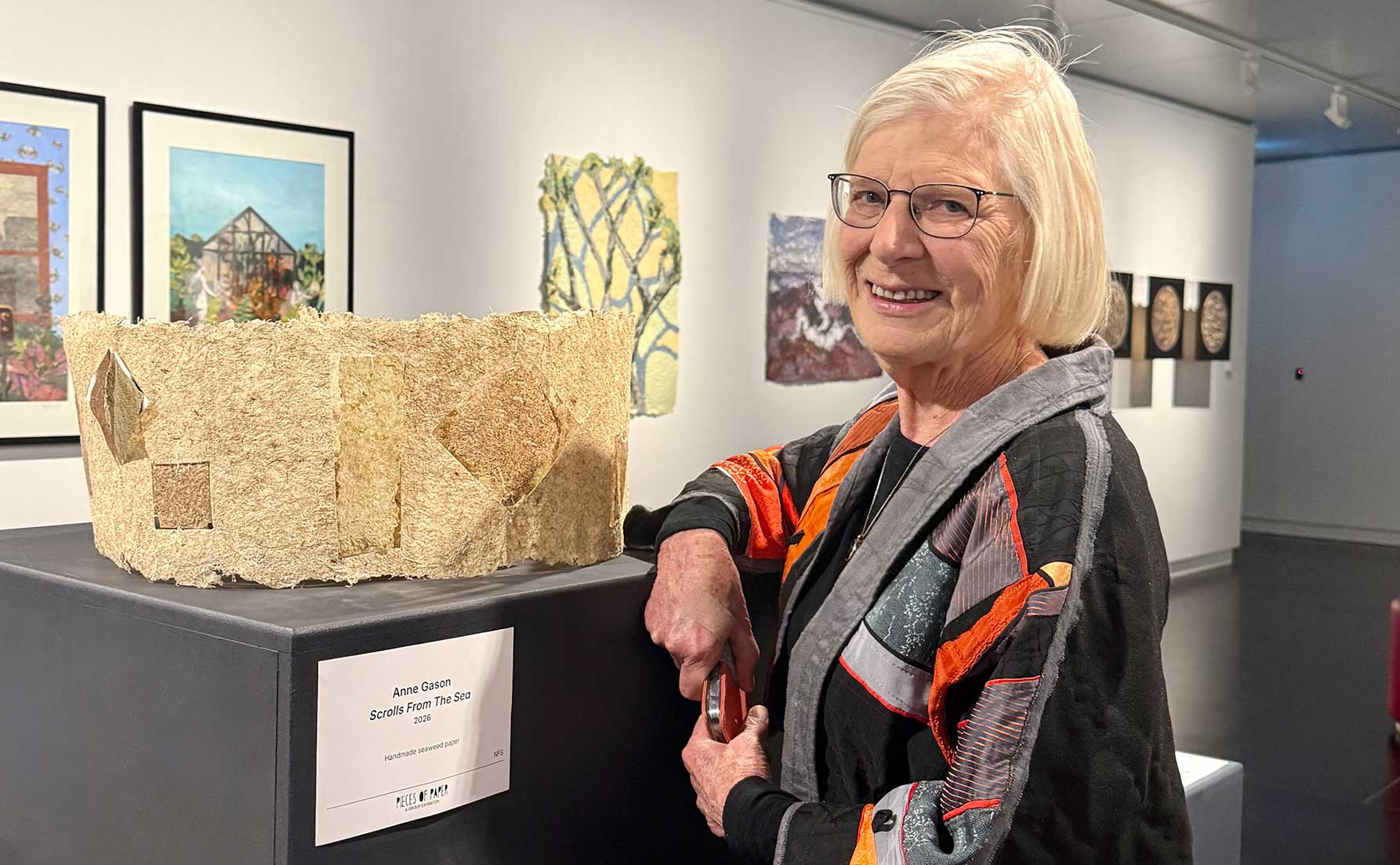
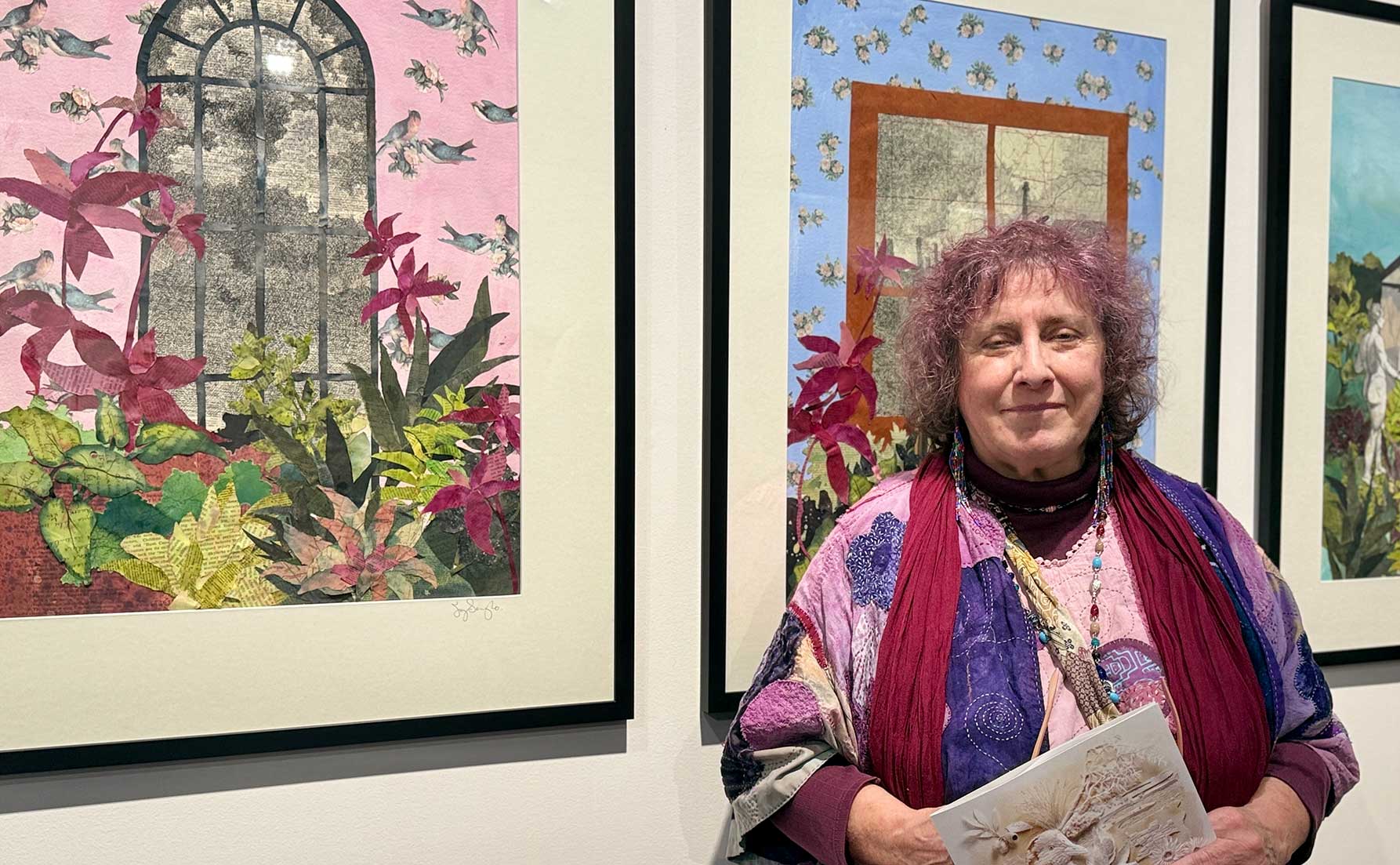
The Pieces of Paper group exhibition opened to a crowd of more than 150 people in May, marking a significant moment for the medium of paper.
With over 20 artists showcasing their work across Galleries 1–3, the exhibition made one thing clear: paper as a creative medium has never been more vital, more inventive, or more celebrated.
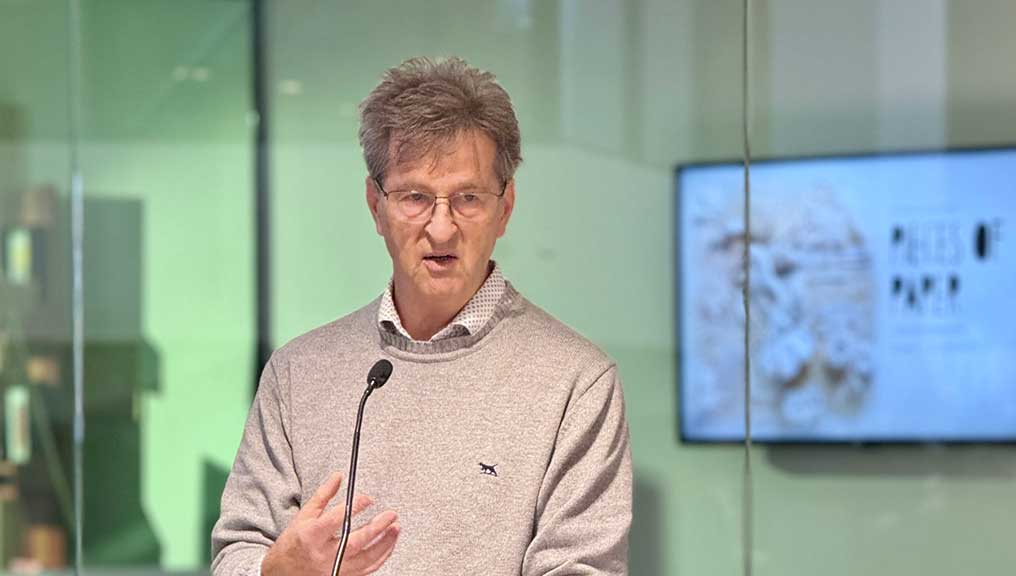
The official opening was delivered by internationally renowned paper sculpture artist Ray Besserdin, who took the opportunity to share a rich and illuminating perspective on the material that binds every work in the exhibition together.
Before diving into the art, Ray drew an important distinction, one that many visitors may not have considered before. Paper, in its truest form, is not the same as papier-mâché, paper clay, or cast paper. The definition matters.
Drawing on the work of Dard Hunter, one of America's foremost scholars of papermaking history, Ray explained that true paper is made from fibres that have been broken down until each filament is completely separate. Those fibres are then suspended in water and lifted from it using a fine screen, which allows the water to drain away while leaving behind a thin, interwoven sheet of matted fibre.
That resulting layer is what can genuinely be called paper.
It is a deceptively simple process and one with a history stretching back thousands of years.
Paper is often thought of as disposable. And for large-scale, commercially produced paper made from heavily processed wood fibre, that reputation is largely deserved. But that version of paper barely scratches the surface of what the medium can be.
At its core, paper is made from cellulose, a plant-based substance that, when sourced from the right fibres and properly preserved, can last well over a thousand years. Traditions in plant-fibre papermaking trace back to the early Chinese dynasties, around 80 BCE. Chinese Shuan Paper, for example, is still made by hand today, with a process that involves around 30 people to produce a single large sheet, a tradition with centuries of surviving examples to its credit.
Paper, when made well, is extraordinarily durable. And that durability is exactly why artists take it so seriously.
Artists working at the highest level with paper typically seek out handmade and mould-made papers from specialist mills with long-standing traditions. These papers are produced from fibres such as cotton, hemp, mulberry, and flax. Materials that behave very differently from commercial wood-pulp alternatives.
Sources include celebrated mills such as Creative Papers Tasmania, Arches of France, St Cuthberts of the UK, Hahnemühle of Germany, and Awagami of Japan, as well as producers from Spain, Italy, America, Taiwan, China, and India. Each mill and each paper brings its own unique character, a quality that artists working with the medium understand deeply and draw upon intentionally. Some artists in the exhibition even make their own paper from scratch.
What Pieces of Paper makes visible is something Ray Besserdin has observed across his 37-year career: a genuine and growing upsurge of interest in paper as a fine art medium. Artists around the world are exploring new possibilities in what a sheet of paper can do, and this exhibition sits squarely within that movement.
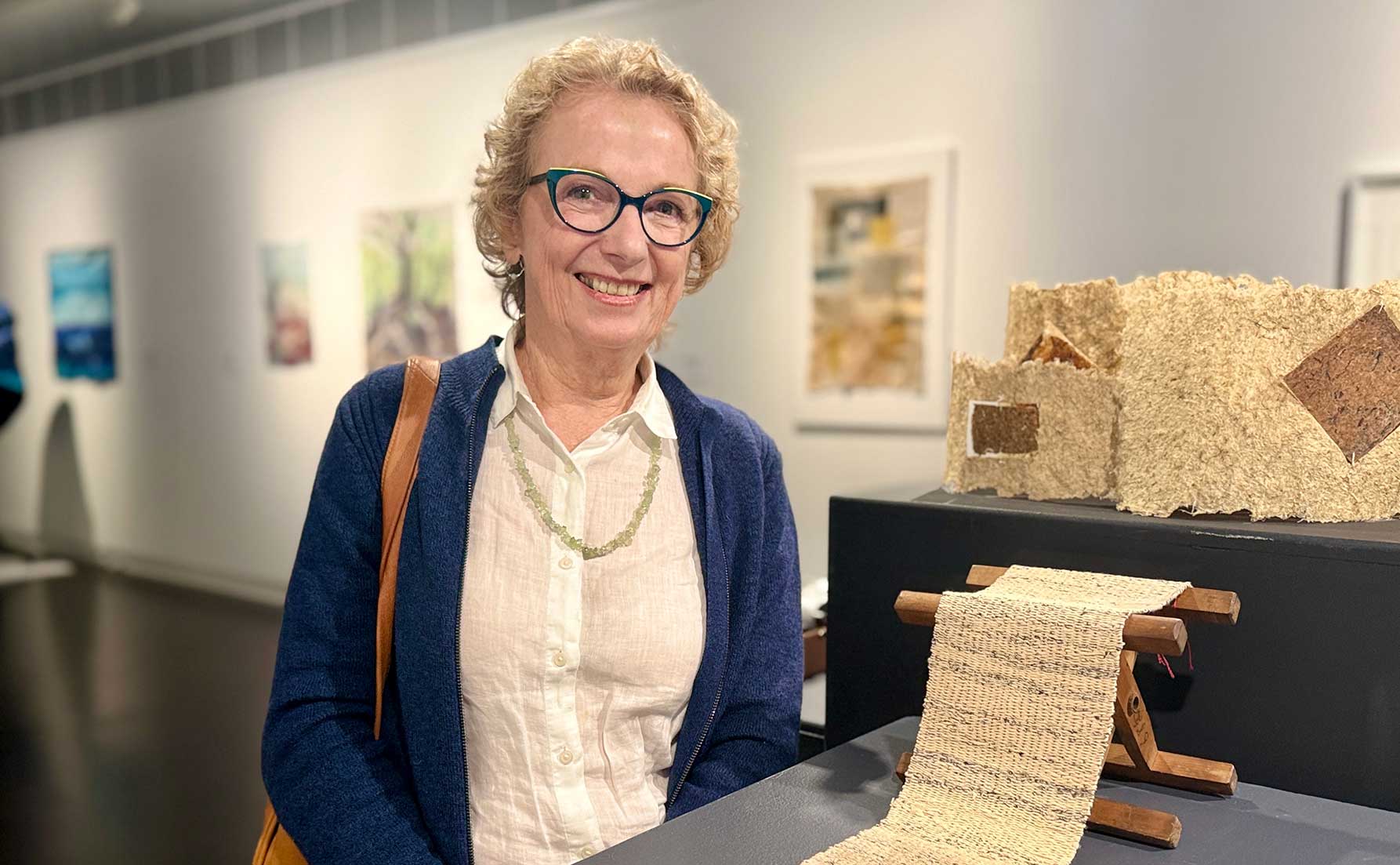
The works on display span 2D and 3D formats, ranging from the delicate and translucent to the surprisingly solid and imposing. Techniques include folding, weaving, tearing, cutting, collage, pulp making, and bookbinding. Some pieces are miniature in scale; others span metres in dimension. The breadth is a testament to how versatile paper can be in the hands of a skilled artist.
Each work requires the same level of creative investment found in any serious artistic discipline — but with techniques uniquely suited to the demands and possibilities of paper. The result is a form of expression that is genuinely distinctive, shaped by the character of the material itself.
Pieces of Paper brings together over 20 artists from across Australia, including six from the Dandenong and Yarra Ranges, as well as contributors from Tasmania, New South Wales, and the Northern Territory. Ray's own Insects and Nature works are among those on show, and he has expressed a hope that this exhibition becomes a regular, nationally recognised event on the arts calendar.
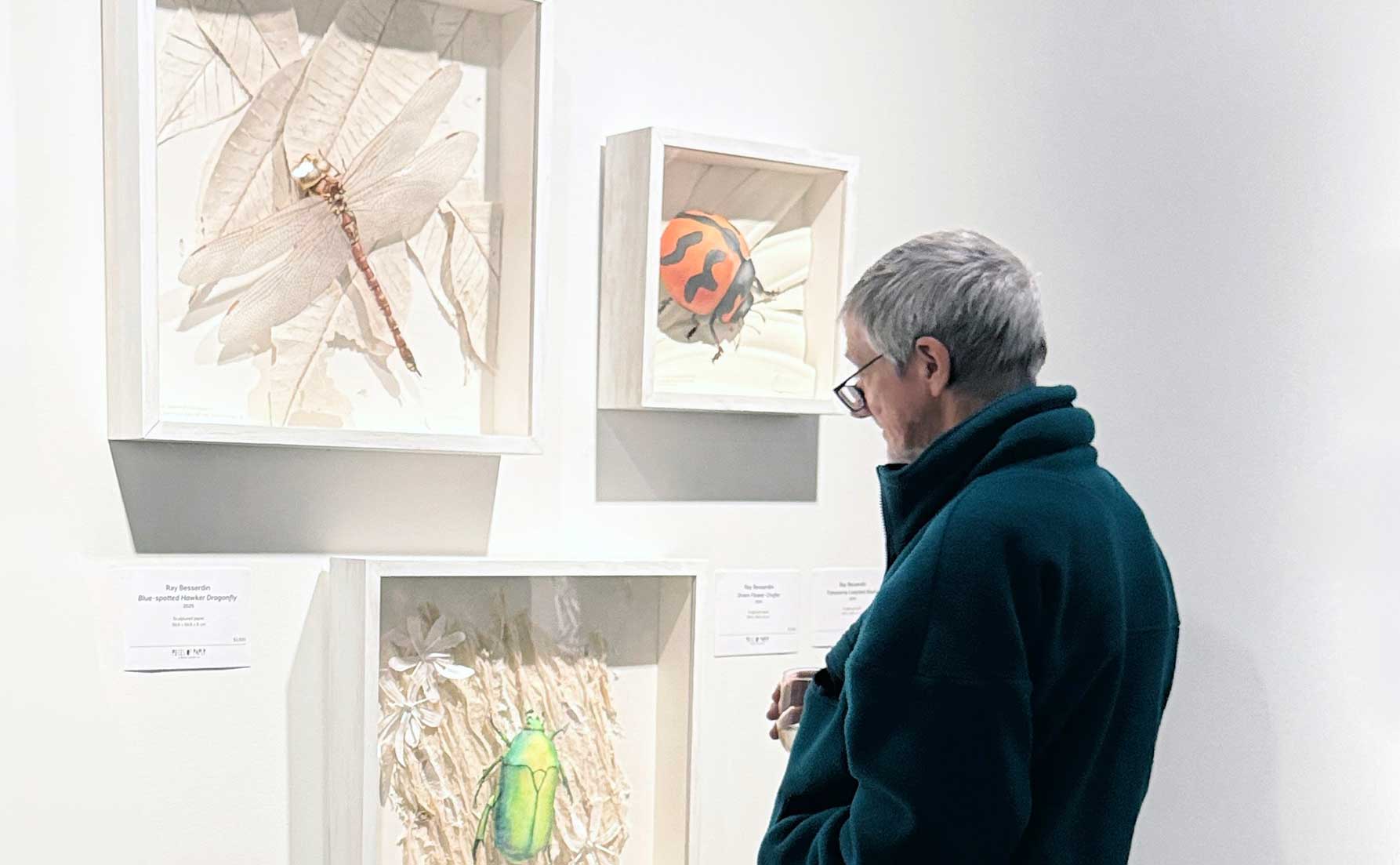
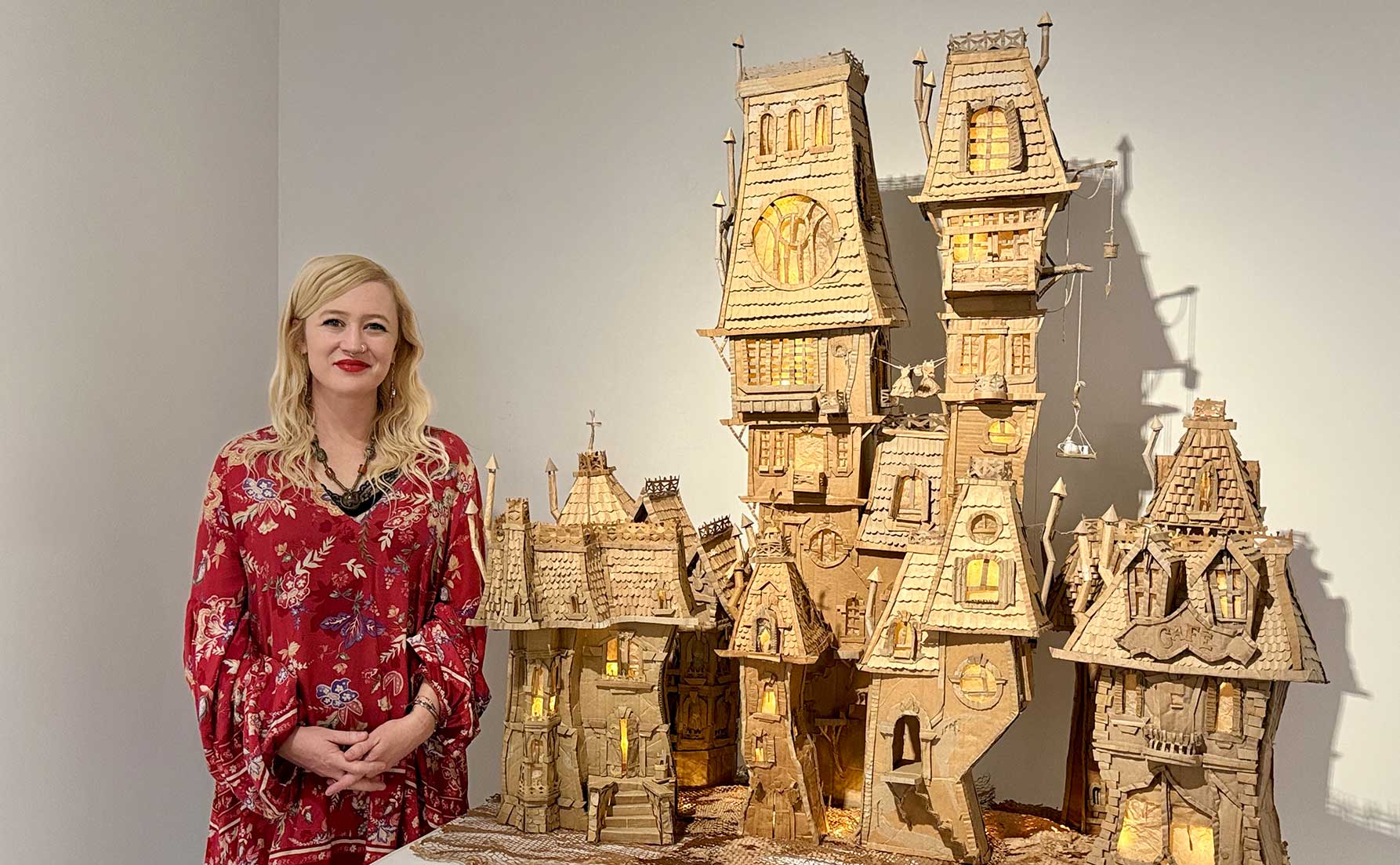
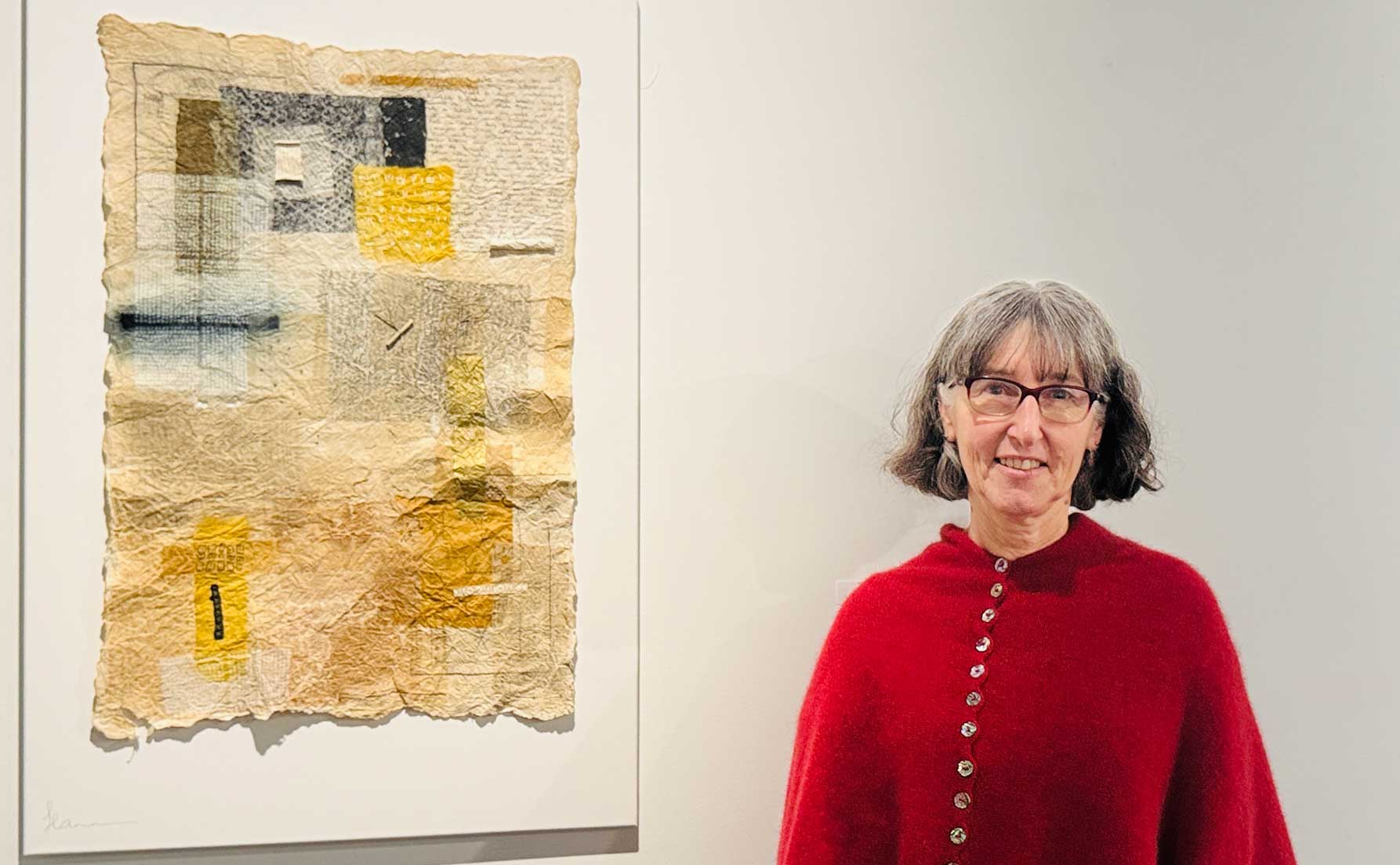
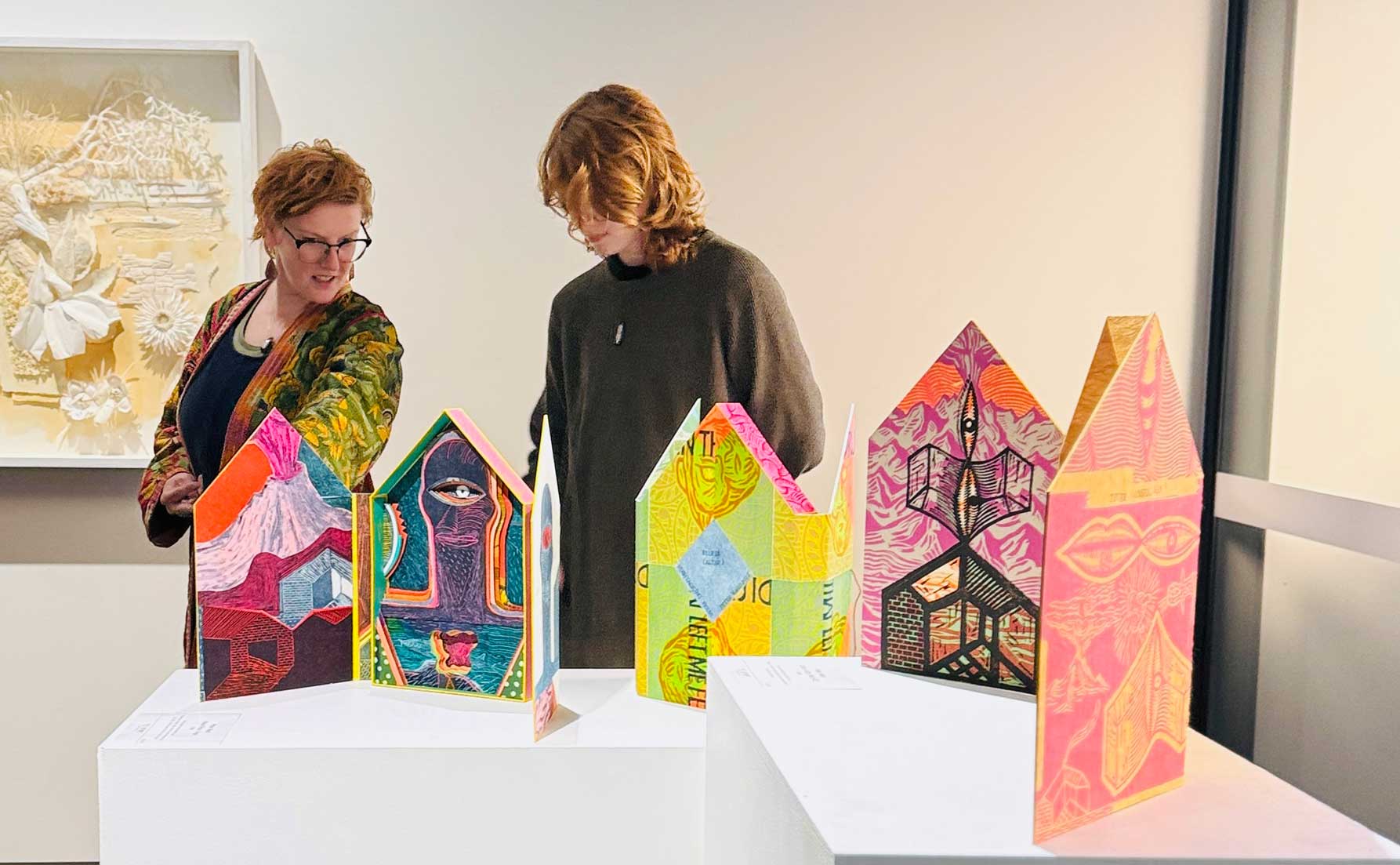
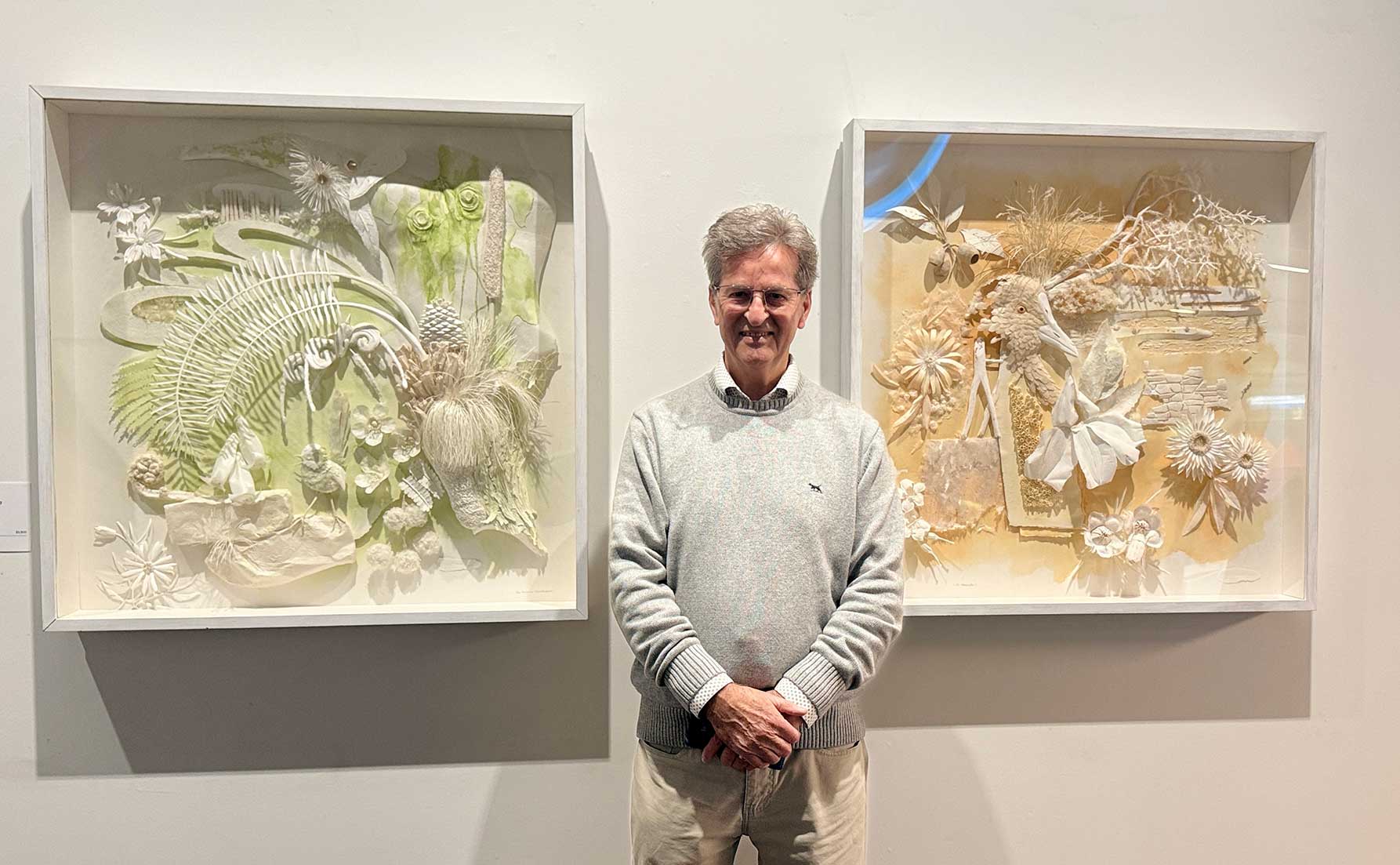
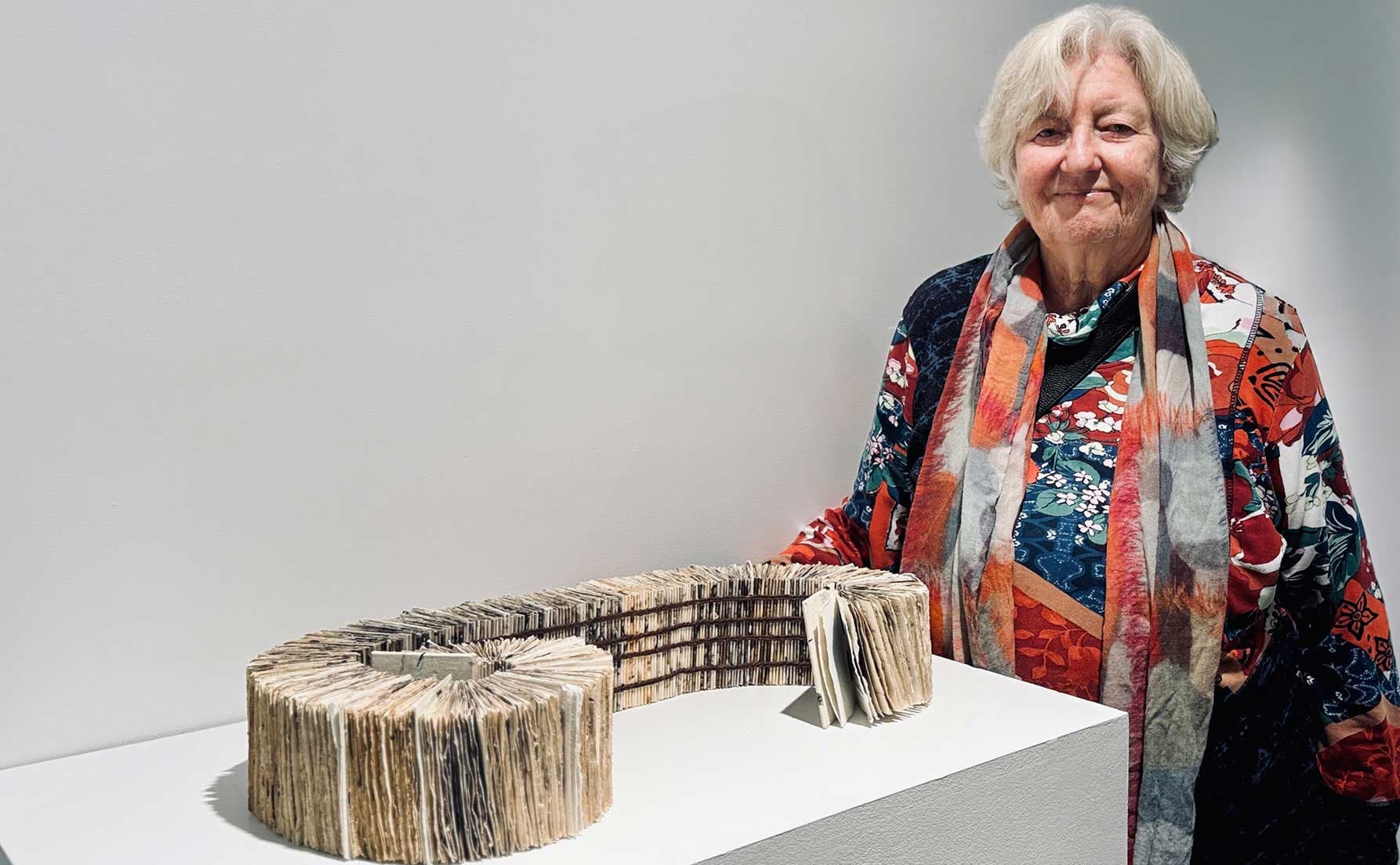
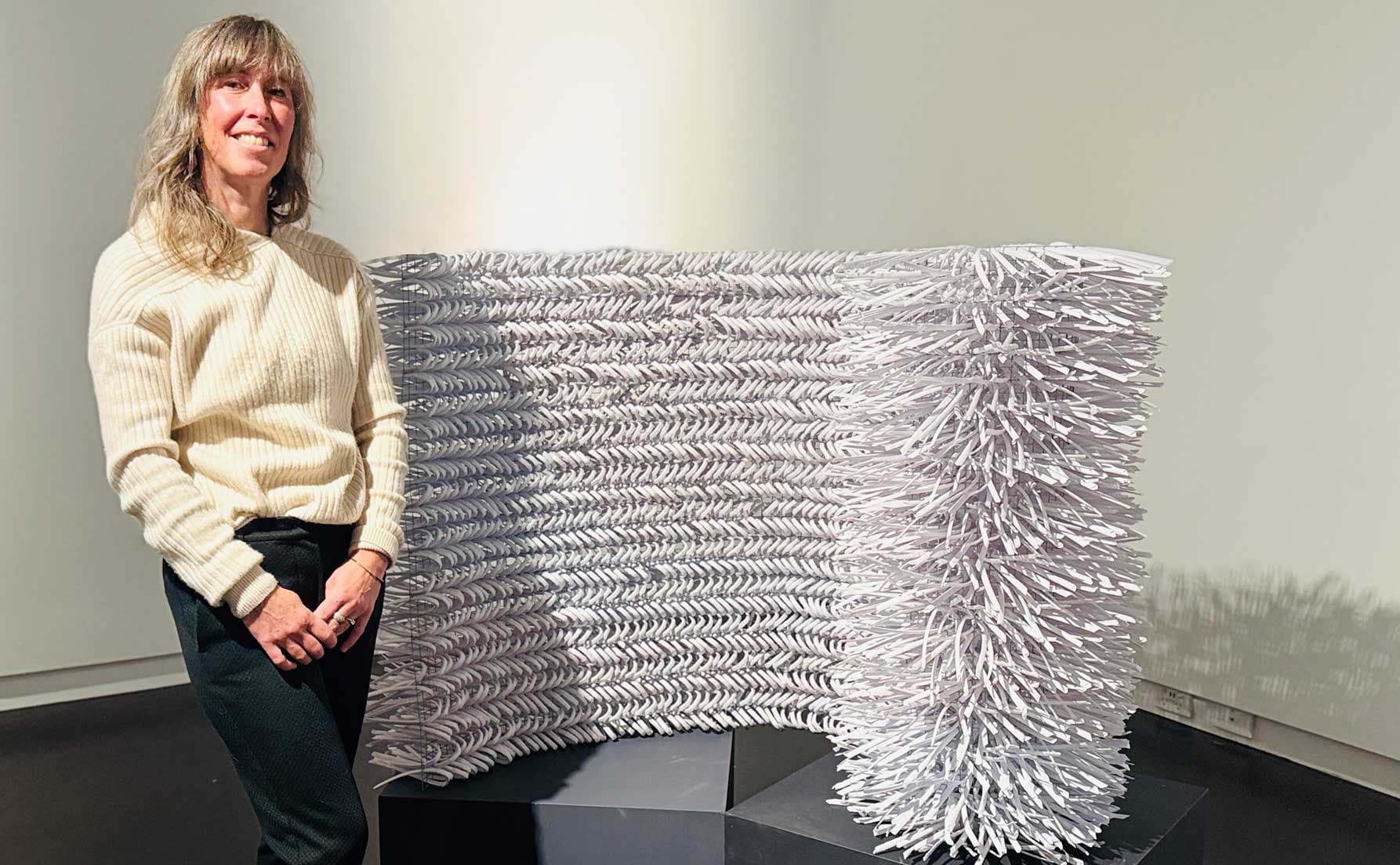
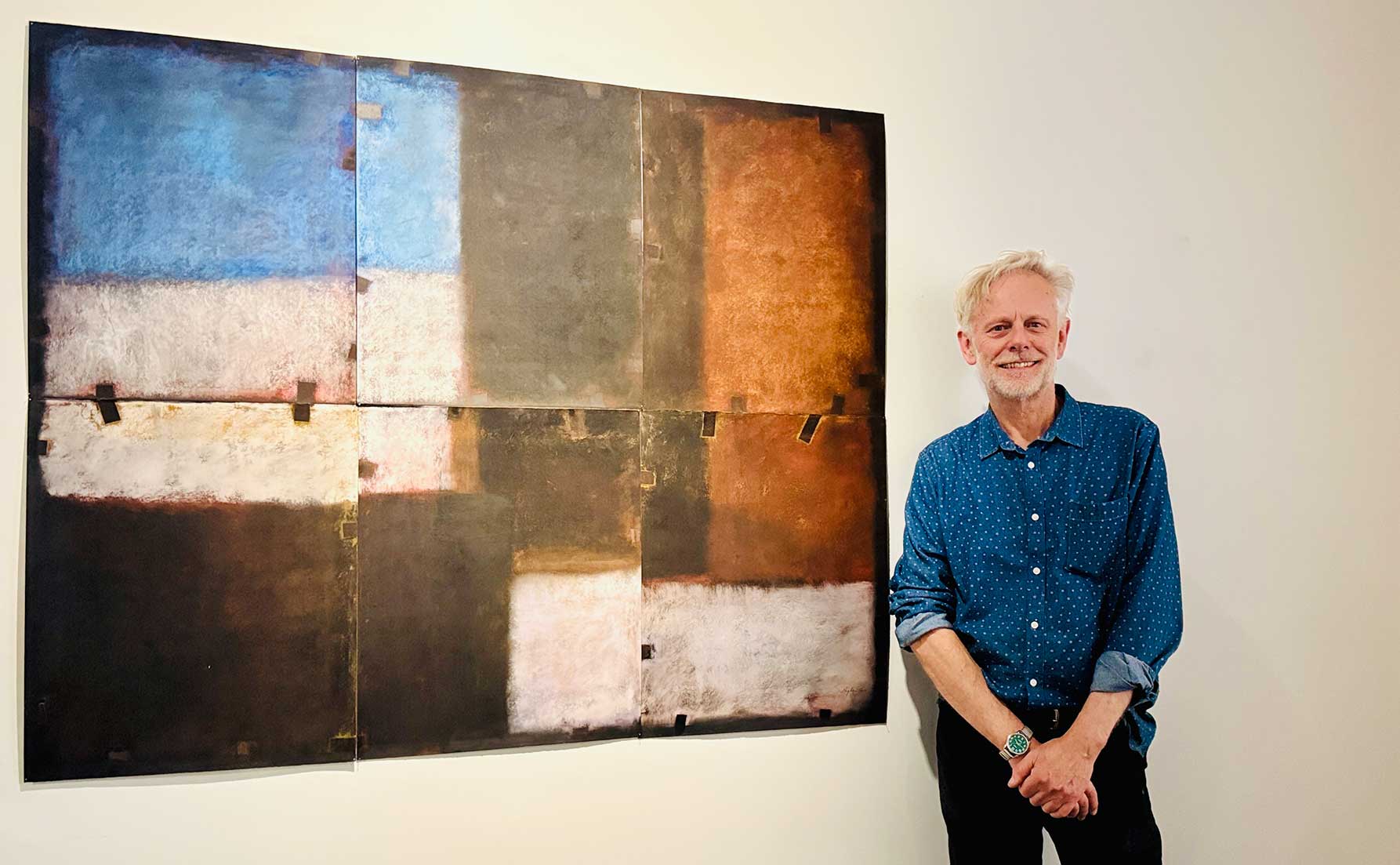
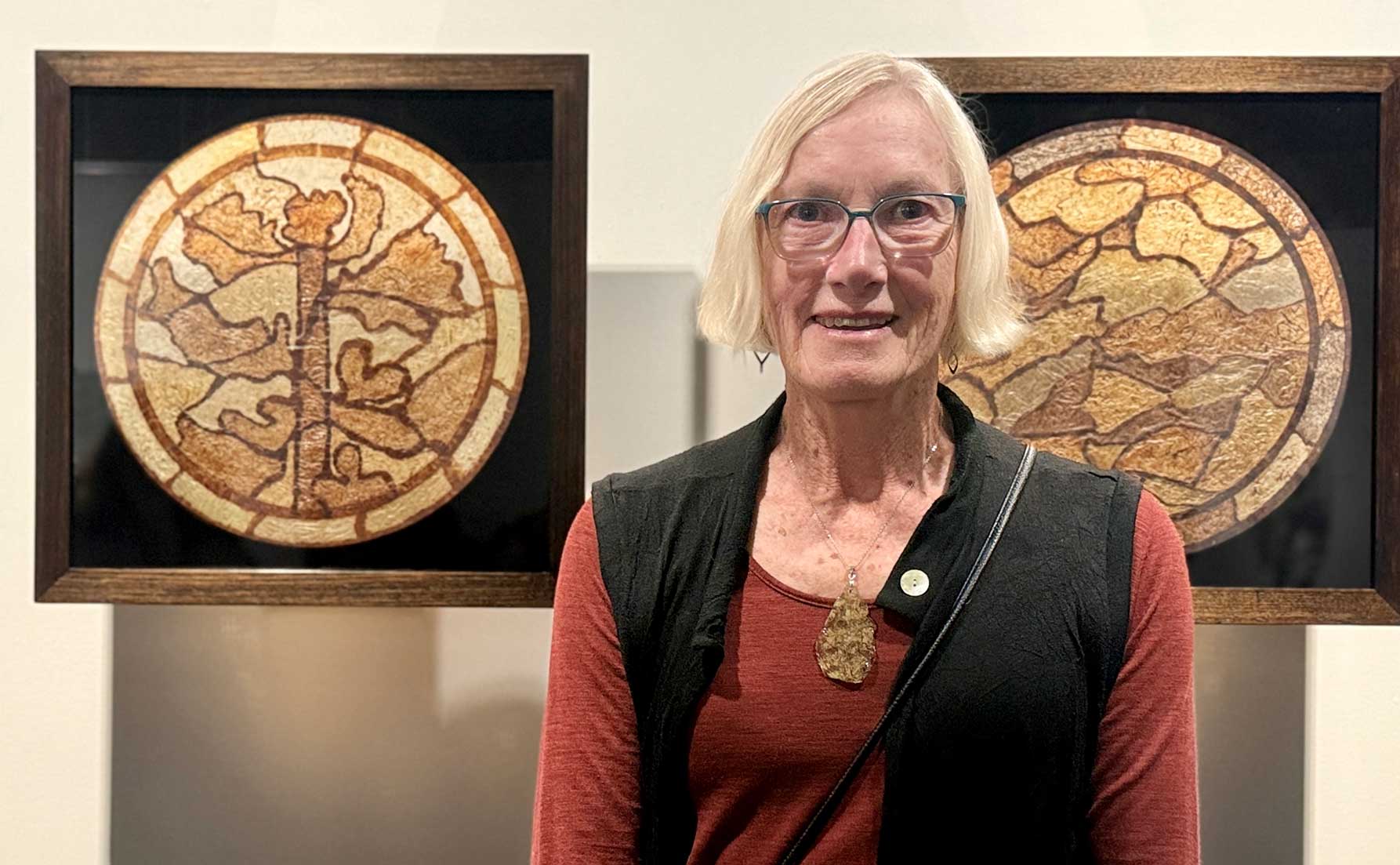
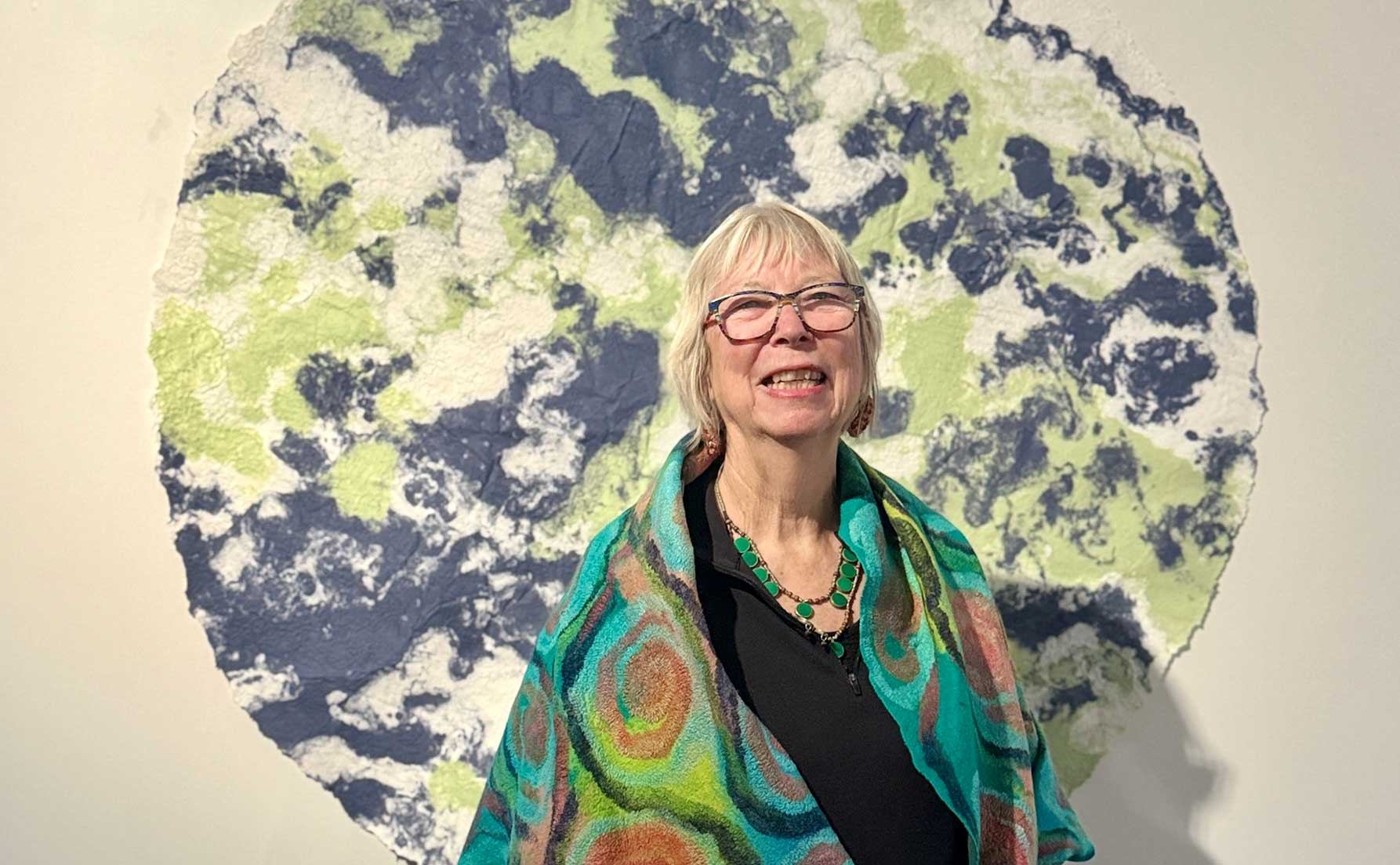
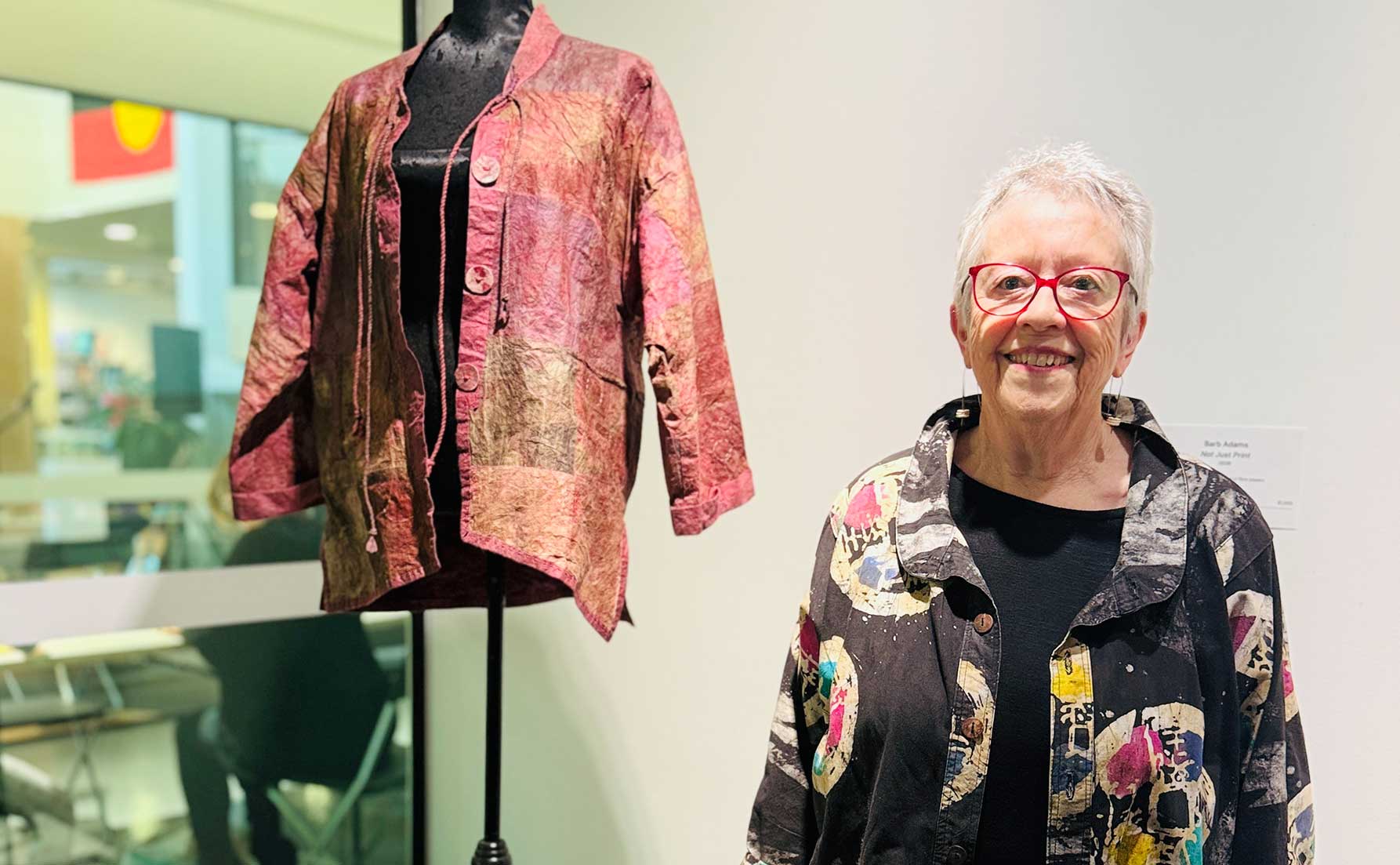
Ray Besserdin is an internationally acclaimed paper sculpture artist based in Melbourne, Australia. Born to artist parents, he is entirely self-taught in the techniques of sculpting three-dimensionally using only sheet-formed paper. A practice he has been developing since childhood, alongside a deep fascination with the natural world.
After graduating from La Trobe University with a degree in Biological Sciences in 1982, Ray returned to his greater passion for art and began developing his distinctive approach to working with paper. He was inspired by the painters of the French Impressionist period, not to replicate their style in paint, but to achieve a similar emotional aesthetic using sculptured, torn paper in three dimensions. This approach, which he calls Impressionist Sculptured Paper, became his signature style.
The technique prioritises emotion, expression, and life over literal realism. Torn and raw pieces of paper are arranged into the likeness of a subject while always allowing the natural character of the paper itself to remain visible. Nature is his primary subject matter, and his work is widely regarded as speaking directly to the hearts of those who encounter it.
Ray works predominantly with handmade cotton and mulberry papers sourced from specialist mills across Europe and Asia. His works range from miniature to over six metres wide.
Over a career spanning more than 37 years, he has earned more than 35 awards and prizes. These include the winner of the People’s Choice Award 2018, National Works on Paper, MPRG, two gold medals from New York and a Gold Medal for Creativity from the Mondial Art Academia of France in 2018, an institution for which he also serves as Australian Ambassador.
His corporate commissions include work for Macquarie Bank, Amcor, Ford Motor Company, the Australian Government, and Spicers Australia/KPP Japan. Private and corporate collections holding his work are located in London, Munich, Manhattan, Monaco, Tokyo, New Zealand, and across Australia.
We would like to sincerely thank Ray Besserdin for the breadth of knowledge he has so generously shared, offering valuable insight into the history, artisanship, and creative possibilities of paper as an artistic medium. Thanks also go to all the artists participating in this wonderful exhibition, whose imagination, skill, and dedication have brought Pieces of Paper to life.
Click the link to explore artist bios, workshops and plan your visit.
Images by Burrinja

15 Sep 26
Burrinja Cultural Centre is pleased to present Billy Missi’n Wakain Thamai, a national touring exhibition presented by NorthSite Contemporary Arts in partnership with Torres Strait Regional Authority’s Gab Titui Cultural Centre (TSRA), and toured by Museums & Galleries Queensland.

29 Jun 26
There are exhibitions that display art, and then there are exhibitions that bear witness to something far greater.…